

Laparoscopic Anti-Reflux Surgery
Laparoscopic anti-reflux surgery is a safe and effective treatment for gastroesophageal reflux disease (GERD). With advanced surgical techniques and the extensive experience of Dr. Ahmed Yousry, patients can recover quickly with minimal complications.
Book your appointment today and benefit from expert medical care.
What Is GERD?
GERD (Gastroesophageal Reflux Disease) is a chronic condition in which stomach acid flows back into the esophagus, causing symptoms such as heartburn, chest pain, and difficulty swallowing.
Dr. Ahmed Yousry, Consultant in Gastrointestinal Surgery and Laparoscopy, offers laparoscopic anti-reflux surgery as an effective treatment option for this condition.
This page provides comprehensive information about the procedure, including its benefits, potential risks, and the necessary preparations.
What Is Laparoscopic Anti-Reflux Surgery?
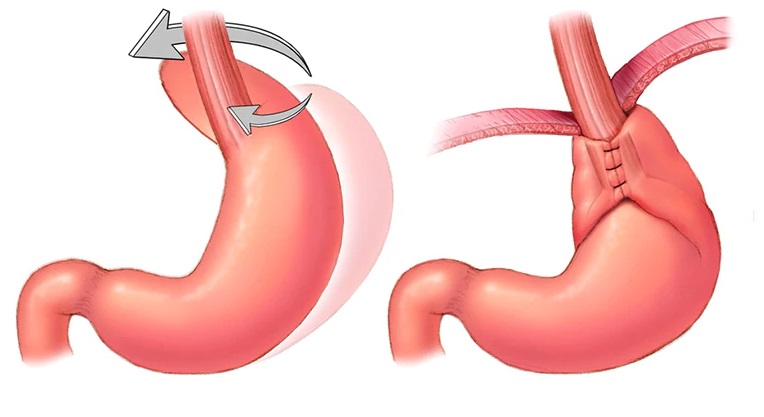
Laparoscopic anti-reflux surgery, also known as laparoscopic fundoplication, is a minimally invasive surgical procedure. Specialized surgical instruments and a small camera are inserted through small incisions in the abdomen, allowing the surgeon to visualize and correct the underlying problem with precision.
Benefits of Laparoscopic Anti-Reflux Surgery
- Faster Recovery: Thanks to the small incisions, recovery is typically faster compared to traditional surgery.
- Less Pain: The small incisions help reduce post-operative pain.
- Less Scarring: The small incisions leave smaller and less noticeable scars.
- Shorter Hospital Stay: Patients can often return home on the same day as the procedure or after just one day.
When Is Anti-Reflux Surgery Recommended?
This procedure is recommended in the following cases:
- Failure of medical treatment to relieve symptoms.
- Development of complications such as severe esophagitis or esophageal stricture.
- Severe symptoms that significantly affect quality of life.
Preparing for Surgery
Before the procedure, Dr. Ahmed Yousry will:
- Assess the patient’s condition through medical examinations and laboratory tests.
- Advise discontinuing certain medications that may affect anesthesia or increase the risk of bleeding.
- Provide fasting instructions, as patients are usually required to fast for 6–8 hours before the procedure.
How Is the Procedure Performed?
- Anesthesia: The procedure begins with general anesthesia.
- Making the Incisions: Three to four small incisions are made in the abdomen.
- Inserting the Instruments: Surgical instruments and a camera are inserted through these incisions.
- Performing the Repair: The upper part of the stomach is wrapped around the lower part of the esophagus to strengthen the lower esophageal sphincter and prevent acid reflux.
- Closing the Incisions: The incisions are closed with sutures or surgical tape.
After Surgery
After the procedure, patients are advised to:
- Rest and avoid strenuous activities for two to four weeks.
- Keep the incision site clean to help prevent infection.
- Follow a balanced diet to support the healing process.
- Attend follow-up appointments with their doctor to ensure complete recovery and help prevent complications.
Potential Risks and Complications
While laparoscopic anti-reflux surgery is generally considered a safe procedure, there are some potential risks, including:
- Infection
- Bleeding
- Temporary difficulty swallowing
- Recurrence of acid reflux
Book Your Appointment Now
If you’re experiencing symptoms of GERD, don’t hesitate to contact Dr. Ahmed Yousry for consultation and appropriate treatment.
You can book your appointment by calling the clinic or visiting the website.
Dr. Ahmed Yousry and his medical team are ready to provide the highest standard of medical care to ensure your safety and comfort.